TRAVEL DOCUMENTS · READER GUIDE
Canadian travel documents: verify the instruction before you act
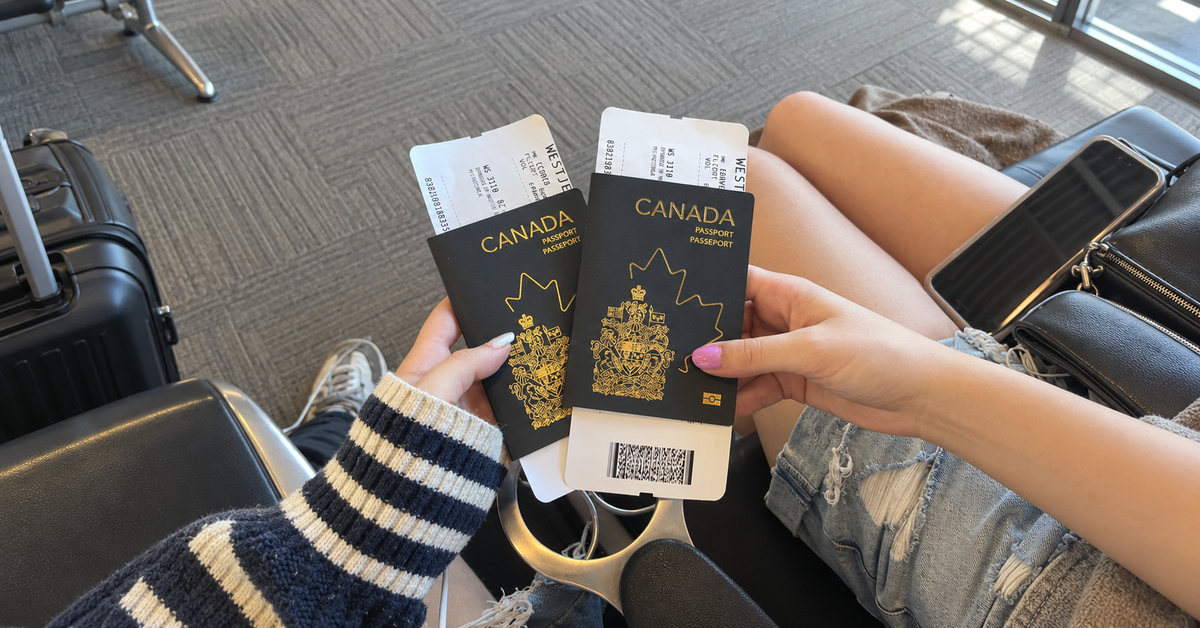
A photograph of a passport can establish what an object looks like. It cannot, by itself, establish a new requirement, a deadline or a traveller’s eligibility.
This publication’s regional perspective shapes the questions we ask, while the verification method remains useful across Canada.
01
Begin with the precise claim
Travel posts often combine a familiar document, an airport setting and urgent language. Separate those elements. Write down the exact claim: is it about validity, renewal, entry, boarding, identity, citizenship or a visa? A broad caption may blur several processes that are governed by different authorities. Until the claim is precise, even a genuine government page may answer the wrong question.
02
Identify the responsible authority
A carrier can set boarding procedures, a destination country can set entry rules, and Canada can set requirements for Canadian travel documents. Those roles are not interchangeable. Look for a page owned by the authority responsible for the claimed decision. Record its title, web address and date. A logo in an image, copied text or a link that merely resembles an official address is not enough.
03
Read dates as a timeline
The date an item was posted may differ from the date a rule was announced, updated or brought into force. A useful note records all four when available. Also look for transition periods and exceptions. Screenshots frequently remove page headers and footnotes, exactly where status and timing are explained. Compare the current page with a dated notice before describing something as “new.”
04
Protect document information
A passport number, machine-readable zone, barcode, date of birth and signature can be sensitive. Do not upload a full document to an unknown form just to receive more information. A legitimate public explainer should tell readers what authority is involved before requesting personal data. When asking a newsroom for help, describe the claim and share the public link, not an unredacted identity document.
05
Check the itinerary, not only the cover
A Canadian passport does not mean every journey has the same requirements. Destination, transit points, citizenship, residence status, age and the carrier may matter. Confirm each leg against the appropriate sources. If an article cannot name the destination or traveller category, it should not present a universal conclusion.
06
Our conclusion
The supplied airport photographs are useful illustrations of Canadian travel. They do not show a change in law, a guaranteed boarding decision or an official deadline. This publication uses them to teach a verification method: define the claim, locate the responsible authority, compare dates and protect personal information.